
About the GGR-Peat Demonstrator project
The Greenhouse Gas Removals Peat (GGR-Peat) Demonstrator project is led by the UK Centre for Ecology and Hydrology, with colleagues from the Universities of Aberystwyth, Aston, Bangor, Durham, East London and Manchester, and Scotland’s Rural College (SRUC). The project seeks to leverage the UK’s extensive areas of peatland – around 12% of the land area, and our largest terrestrial carbon store by far – to deliver large-scale, land-based carbon storage and GGR.
Our research is focused on demonstrating enhanced restoration methods in uplands and on the application of agronomic approaches to maximise CO2 uptake and storage in lowland agricultural peatlands, some of which involve co-deployment of GGR methods. The project is quantifying direct and indirect benefits, and costs and risks including social and economic barriers.
Project lead: Professor Christopher Evans, UK Centre for Ecology & Hydrology.

Key successes
The project has:
- Introduced the novel ‘GGR peat’ concept to augment the shift from land emissions to removals through peatland restoration.
- Showed that Miscanthus establishment and initial growth on rewetted lowland peat exceeds that on dry soils.
- Introduced novel upland peat restoration with Sphagnum mosses and biochar from mown heather.
- Demonstrated that methane emissions from re-wetted upland and lowland peat can be suppressed to maximise net GGR potential.
- Identified that farmers and land manager are open to new approaches if aligned with their values and financially viable.
Key findings
To date, our experiments have shown that the identified mechanisms are effective at achieving net peat GGR under controlled conditions, potentially at high rates if biochar can be produced and applied in sufficient quantities. Biomass crops can produce high yields on lowland peat, and active interventions can accelerate ecological recovery in the uplands. The project is developing a full set of lifecycle analyses for the four demonstration sites, and integrated and economically viable farm-scale models that incorporate biomass and biochar production and peat GGR alongside continued food and renewable energy production, aiming to minimise economic trade-offs and impacts on food security. Biodiversity, water quantity, water quality and societal impacts, opportunities and trade-offs are also being considered. Read more in the GGR-D programme report.
Key publications
- Peduruhewa H. Jeewani, et al. (2025). Greenhouse gas removal in agricultural peatland via raised water levels and soil amendment. Biochar.
- Chris D. Evans, et al. (2024). Biomethane produced from maize grown on peat emits more CO2 than natural gas. Nature Climate Change.
- Jonathan P. Ritson, Richard A. Lindsay (2023). The Use of Historical Accounts of Species Distribution to Suggest Restoration Targets for UK Upland Mires Within a ‘Moorland’ Landscape. Mires and Peat.
- Jessica Williams-Mounsey, Alistair Crowle, Richard Grayson, Richard Lindsay and Joseph Holden (2022). Surface structure on abandoned upland blanket peatland tracks. Journal of Environmental Management.
For more, head to our Publications page, where you can filter by Demonstrator project.
Discover other GGR-D projects…

Biochar
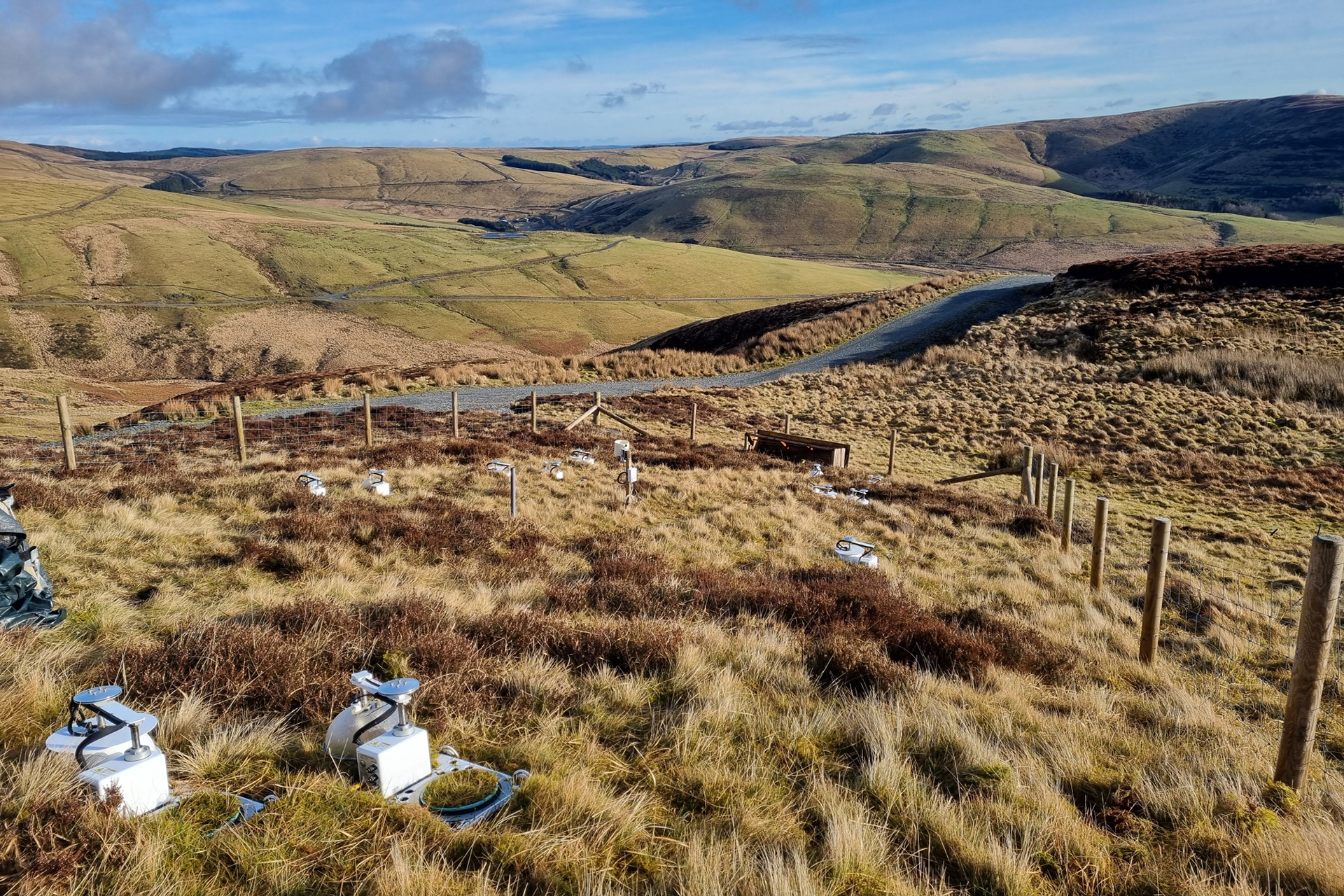
The biochar project is addressing the uncertainties concerning the extent and scope of the deployment of biochar.
Enhanced rock weathering
The enhanced rock weathering project is exploring amending soils with crushed rocks from waste quarry fines to accelerate natural CO2 sequestration processes.
Perennial biomass crops
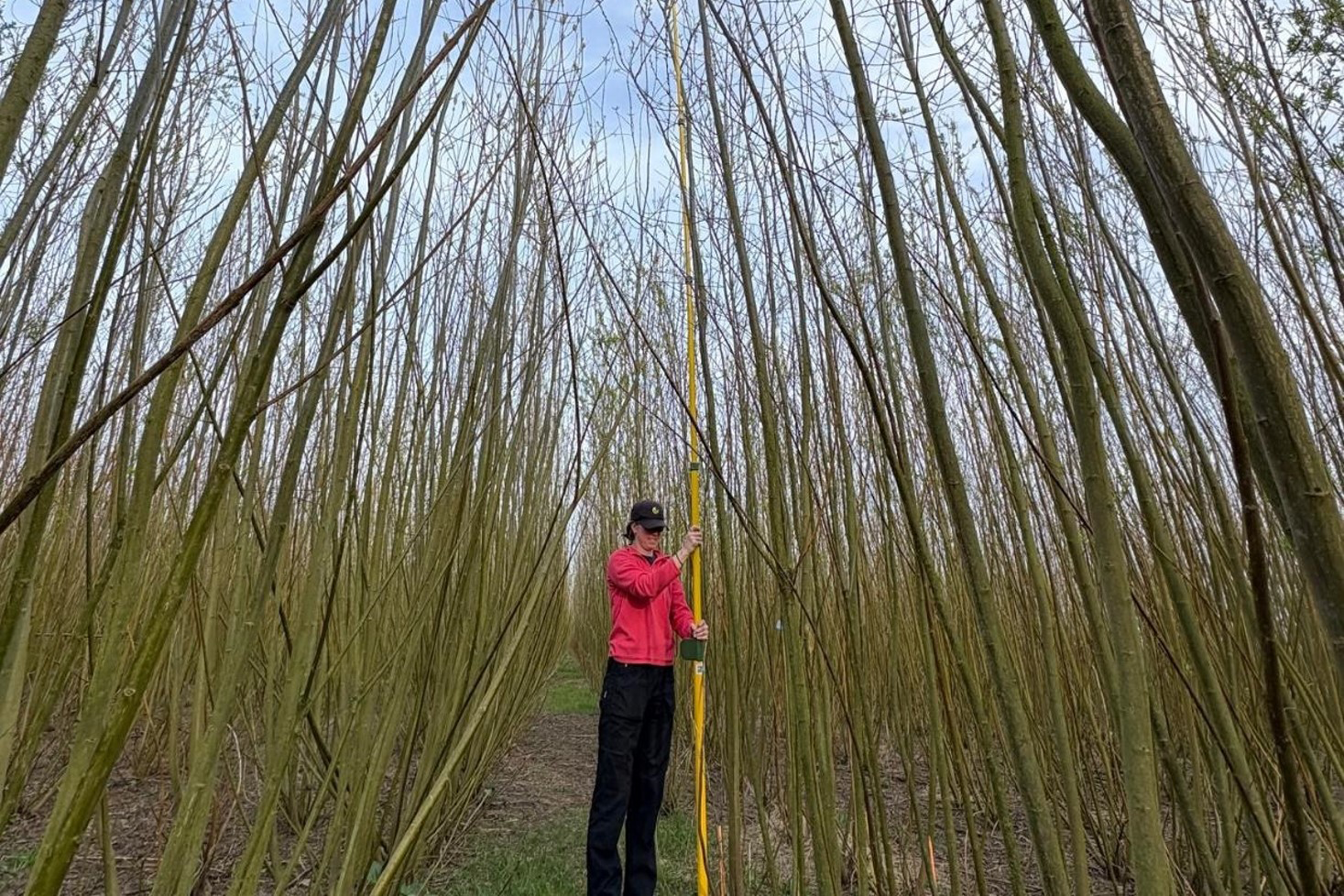
The perennial biomass crops (PBC4GGR) project is investigating the potential for plants like willow and miscanthus to support BECCS in the UK.
Woodland creation and management
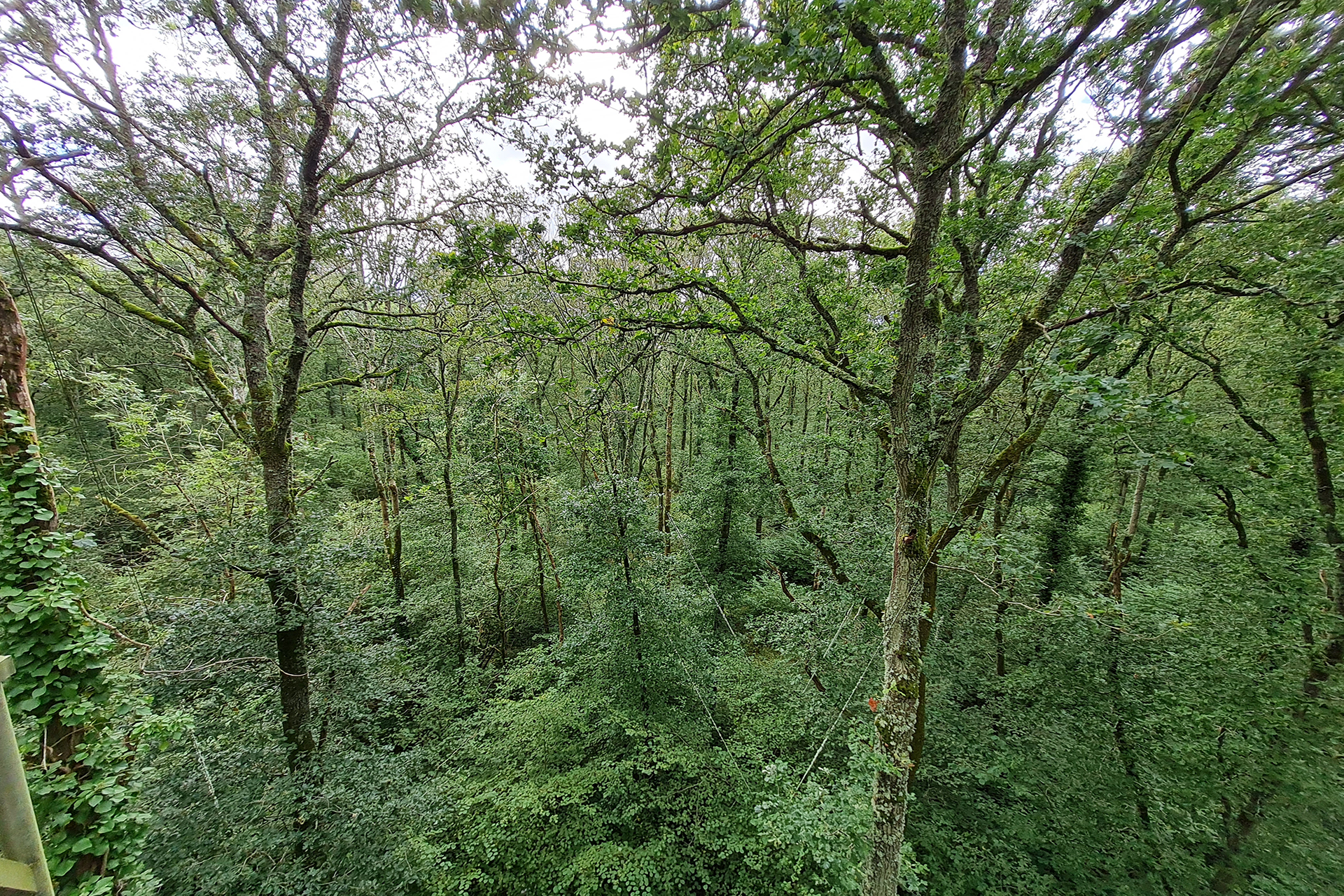
The woodland creation and management (NetZeroPlus) project is gathering evidence to explore the GGR consequences of different tree-planting options.
CO2RE Hub
The CO2RE Hub conducts cross-cutting research on the environmental, economic, social, cultural, ethical, legal and governance issues around GGR.
Photo credits: Biochar Demonstrator, Jade Hatton, Will Macalpine, Leslie Galstaun, John Cairns.