
About the Biochar Demonstrator project
The Biochar Demonstrator is led by the University of Nottingham with support from colleagues at Bangor University, the University of Leeds, Forest Research, UK Centre for Ecology and Hydrology and the Scottish Universities Environment Research Centre. The programme has addressed the interrelated topics of biochar production and stability, deployment, economics, stakeholder perspectives, and the implications for policy and regulation.
Project lead: Professor Colin Snape, University of Nottingham.
Contact: info@biochardemonstrator.ac.uk

Key successes
The project has:
- Classified low-cost feedstocks and identified optimum locations for biochar production.
- Developed a method for stability, now included in Carbon Standards International Global C-Sink methodology (v4) to define a high persistence class with a lifetime of over 1,000 years.
- Developed a life cycle assessment/techno-economic assessment approach that has enabled biochar to be incorporated into the UK Times energy systems model.
- In field trials, demonstrated no detrimental effects of deployment at 20 T/ha.
- Identified co-benefits including moisture and nutrient retention, and improved crop quality in some cases.
- Identified a need for incentives and evidence on efficacy and co-benefits for farmers.
Key findings
When applied to soils in different contexts, including arable and forestry sites, no detrimental crop or soil effects have been recorded to date. A number of co-benefits have been identified in arable applications. For example, biochar has a liming effect on more acidic soils, thereby increasing some plant-available nutrients, while crop quality is generally greater in some wheat and barley crops. Other results indicate positive impacts on nutrient retention, and no significant long-term impact on biodiversity when biodiversity indicators such as microbial functional diversity, microbial respiration and earthworm biomass are used. In forestry, biochar enhanced survival and early growth of tree saplings subjected to drought. There is also potential to co-deploy biochar with other GGR methods in additional to forestry, including paludiculture for peat and the production of perennial biomass crops. In small plot trials, cumulative applications totalling 20 tonnes – representing a sequestration of 50 tonnes CO2 equivalent per hectare – has been demonstrated, with considerably higher sequestration levels observed in grassland trials.
Our research has also demonstrated that co-composting green waste and biochar resulted in higher quality compost, largely brought about by beneficial modifications to the microbial consortia, while increasing nutrient retention in agricultural soils, and that biochar has the capacity to buffer fertiliser addition to soils, to deliver a more balanced release profile. Our social science programme has been instrumental to effective engagement with the UK Government on policy and regulation. Read more in the GGR-D programme report.
Key publications
- Nikolas Hagemann, Hans-Peter Schmidt, Thomas D. Bucheli, Jannis Grafmüller, Silvio Vosswinkel, Volker Herdegen, William Meredith, Clement N. Uguna and Colin E. Snape (2025). Proxies for use in biochar decay models: Hydropyrolysis, electric conductivity, and H/Corg molar ratio. PLOS One.
- Disni Gamaralalage, et al. (2025). Biowaste to biochar: a techno-economic and life cycle assessment of biochar production from food-waste digestate and its agricultural field application. Biochar.
- Carol Morris, Catherine Price and Brigitte Nerlich (2024). Biochar in the UK Print News Media: Issue Frames and Their Implications for Opening up Debate About Land-based Greenhouse Gas Removal. Environmental Communication.
- Robert W. Brown, Eleanor Y. Reed, David R. Chadwick, Paul W. Hill and Davey L. Jones. (2024). Agronomic amendments drive a diversity of real and apparent priming responses within a grassland soil. Soil Biology and Biochemistry.
- Robert W. Brown, et al. (2023). Biochar application to temperate grasslands: challenges and opportunities for delivering multiple ecosystem services. Biochar.
For more, head to our Publications page, where you can filter by Demonstrator project.
Discover other GGR projects…

Enhanced rock weathering
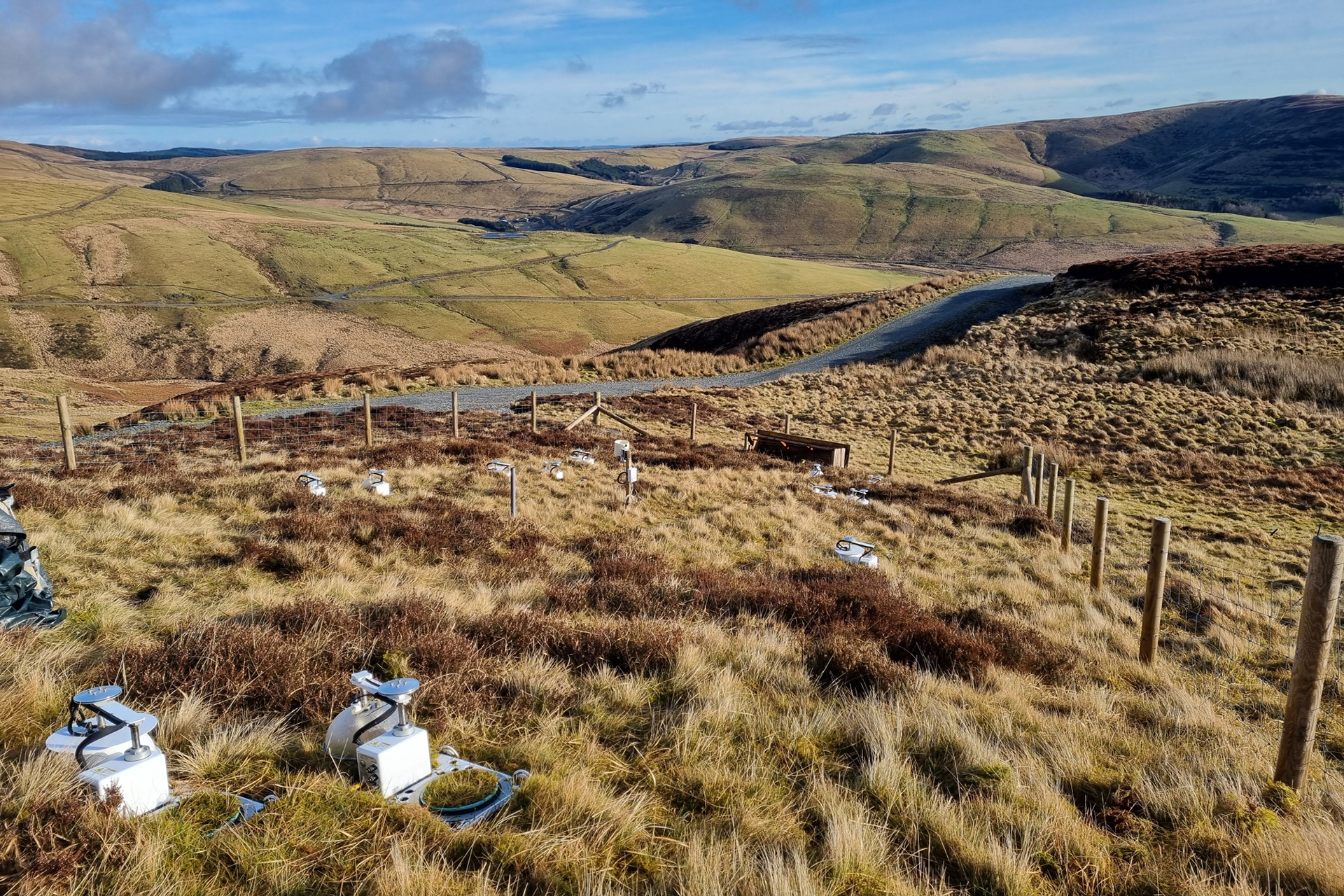
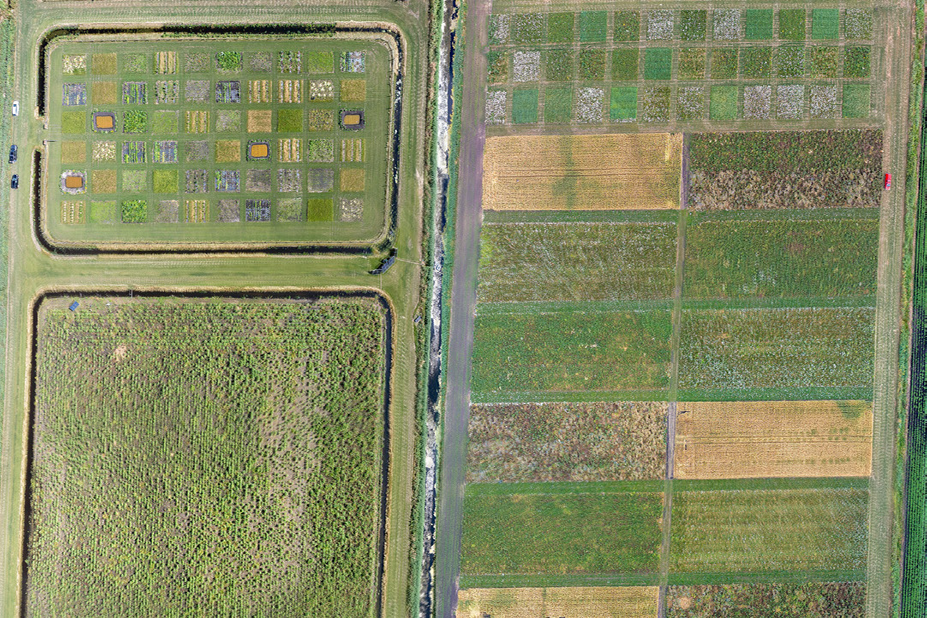
The enhanced rock weathering project is exploring amending soils with crushed rocks from waste quarry fines to accelerate natural CO2 sequestration processes.
Peatlands
The peatland (GGR-Peat) project is working with natural processes to restore, and where possible enhance, the environmental conditions that lead to peat formation.
Perennial biomass crops
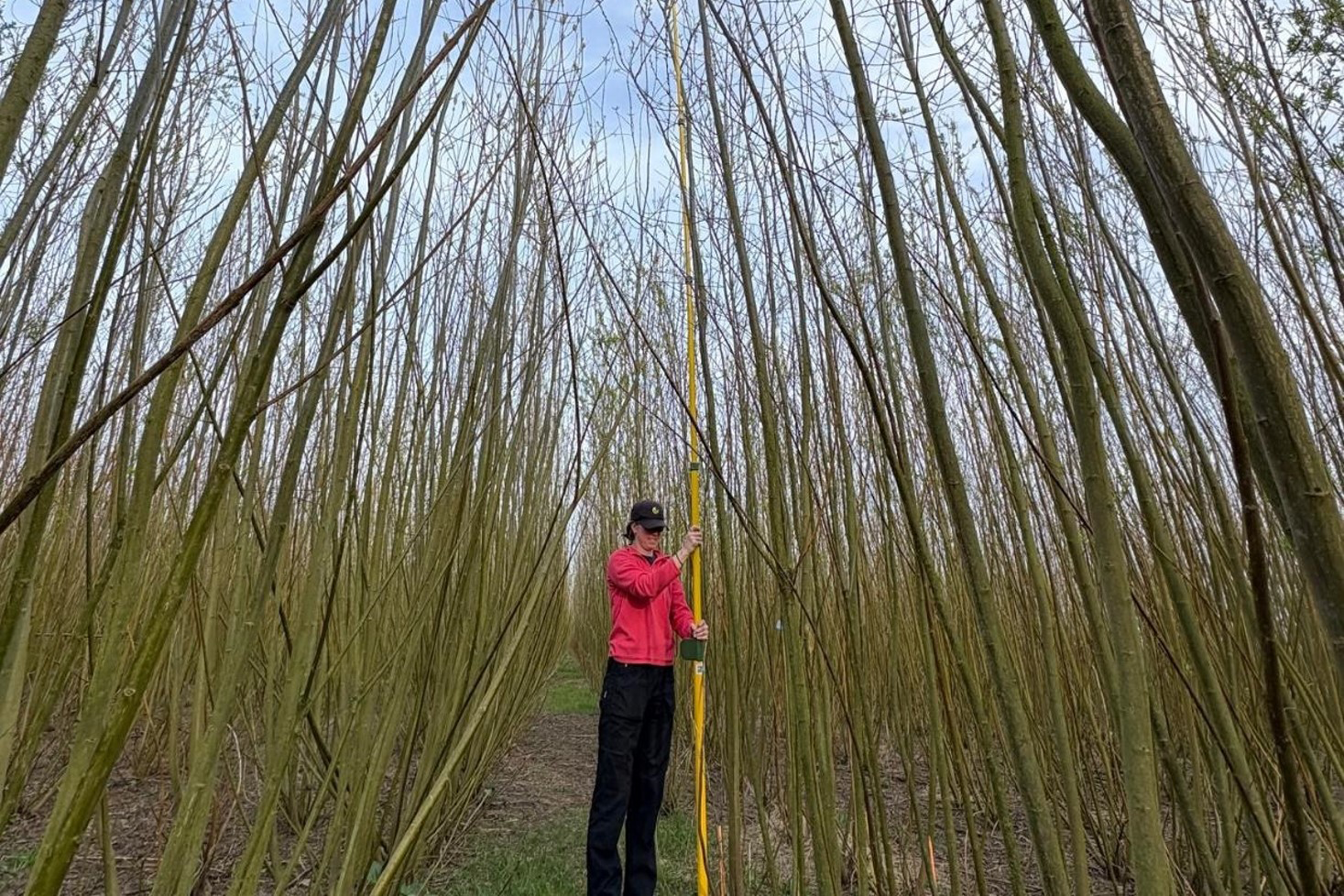
The perennial biomass crops (PBC4GGR) project is investigating the potential for plants like willow and miscanthus to support BECCS in the UK.
Woodland creation and management
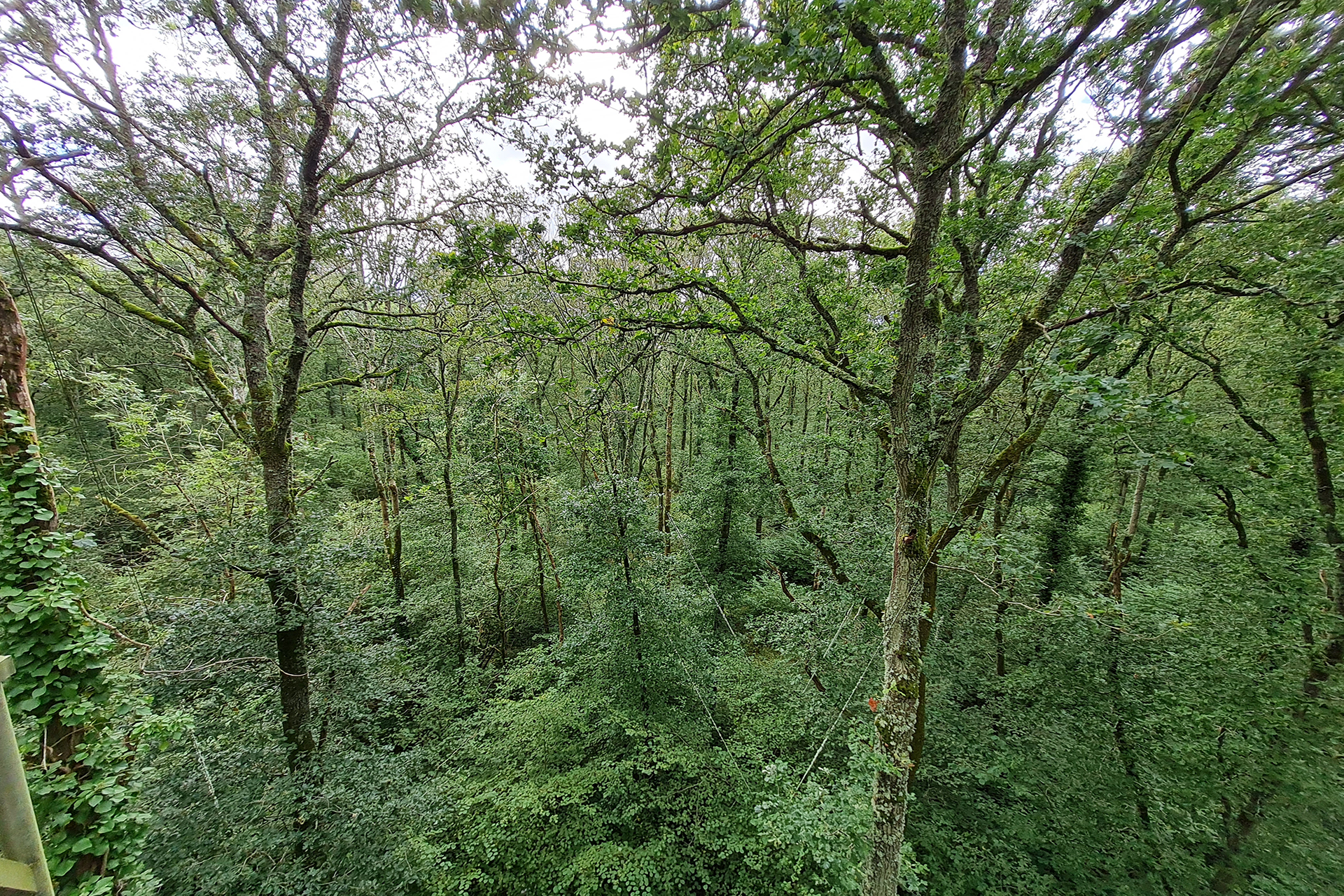
The woodland creation and management (NetZeroPlus) project is gathering evidence to explore the GGR consequences of different tree-planting options.
CO2RE Hub
The CO2RE Hub conducts cross-cutting research on the environmental, economic, social, cultural, ethical, legal and governance issues around GGR.
Photo credits: Jade Hatton, Cookie Cut Media, Will Macalpine, Leslie Galstaun, John Cairns.