
About the Perennial Biomass Crops Demonstrator project
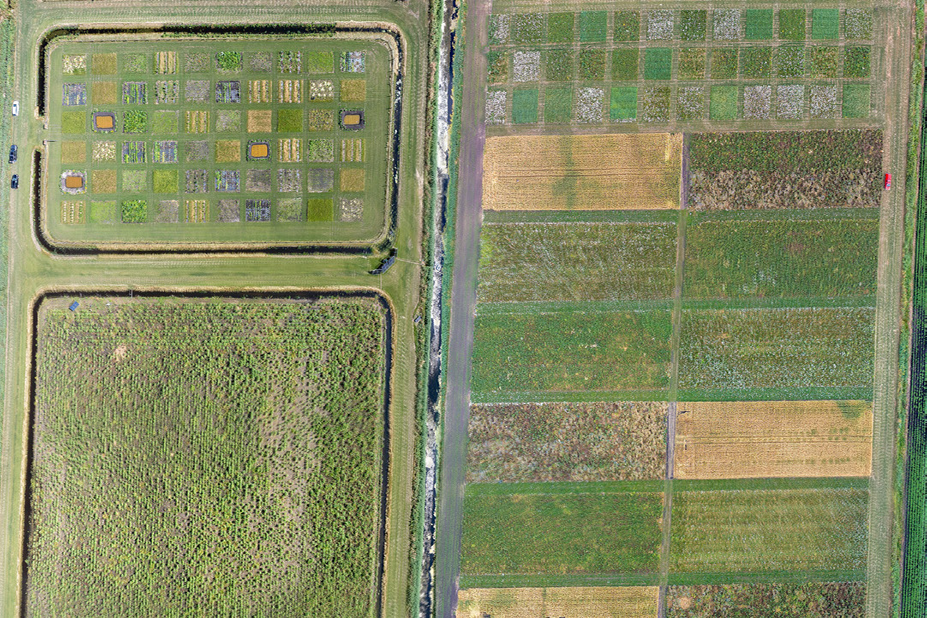
The Perennial Biomass Crops for Greenhouse Gas Removal (PBC4GGR) demonstrator is led by Aberystwyth University, in collaboration with the UK Centre for Ecology and Hydrology, Rothamsted Research, the University of Aberdeen, and the Communities and Countryside Research Institute. The project demonstrates establishment techniques that maximise yield while minimising greenhouse gas emissions, establishes the conditions required for farmer uptake and wider societal acceptance, and quantifies the scope for greenhouse gas removal.
Project lead: Professor Iain Donnison, Aberystwyth University.

Key successes
The project has:
- Improved the evidence base on greenhouse gas impacts of transition of grassland to biomass crops.
- Identified next steps to improve on best-practice crop establishment agronomy.
- Successfully established a commercial scale Miscanthus field from a novel seed-based variety that could overcome supply chain bottlenecks.
- Identified key barriers to farmers planning perennial biomass crops.
- Demonstrated the effectiveness of perennial biomass crops at delivering GGR when planted at different locations.
Key findings
PBC4GGR has significantly improved the evidence base on the long-term carbon impacts of land-use transition to biomass crops, particularly in relation to the transition of grassland of different types and ages to biomass crops. It is now clear that rather than avoiding planting into grassland per se, we need to avoid planting into high-carbon soils, as the carbon loss on transition will take many years to be reversed. This is important evidence to clarify the potential benefits of biomass crops when planted in different land types. We have also undertaken major revisions and updates to the models that underpin yield predictions for Miscanthus and willow, including incorporating data from previous studies and developing models for below-ground biomass and soil carbon change for both crops. Read more in the GGR-D programme report.
Key publications
- A. Castellano Albors, et al. (2025). A Global Short Rotation Coppice (SRC) Willow Dataset for the Bioeconomy: Implications for the Yield in the United Kingdom. Global Change Biology Bioenergy.
- J. Ingram, J. Mills and H. Mackley-Ward (2025). “For all kinds of reasons, it hasn’t happened”: A novel integrative perspective for analysing the barriers to biomass crops for bioenergy in the United Kingdom. Energy Research & Social Science.
- E.M. Hodgson, et al. (2024). Upscaling miscanthus production in the United Kingdom : The benefits, challenges, and trade-offs. Global Change Biology Bioenergy.
- C. Ashman, et al. (2023). Developing Miscanthus seed plug establishment protocols with mulch film for commercial upscaling. Global Change Biology Bioenergy.
For more, head to our Publications page, where you can filter by Demonstrator project.
Discover other GGR-D projects…

Biochar
The biochar project is addressing the uncertainties concerning the extent and scope of the deployment of biochar.
Peatlands
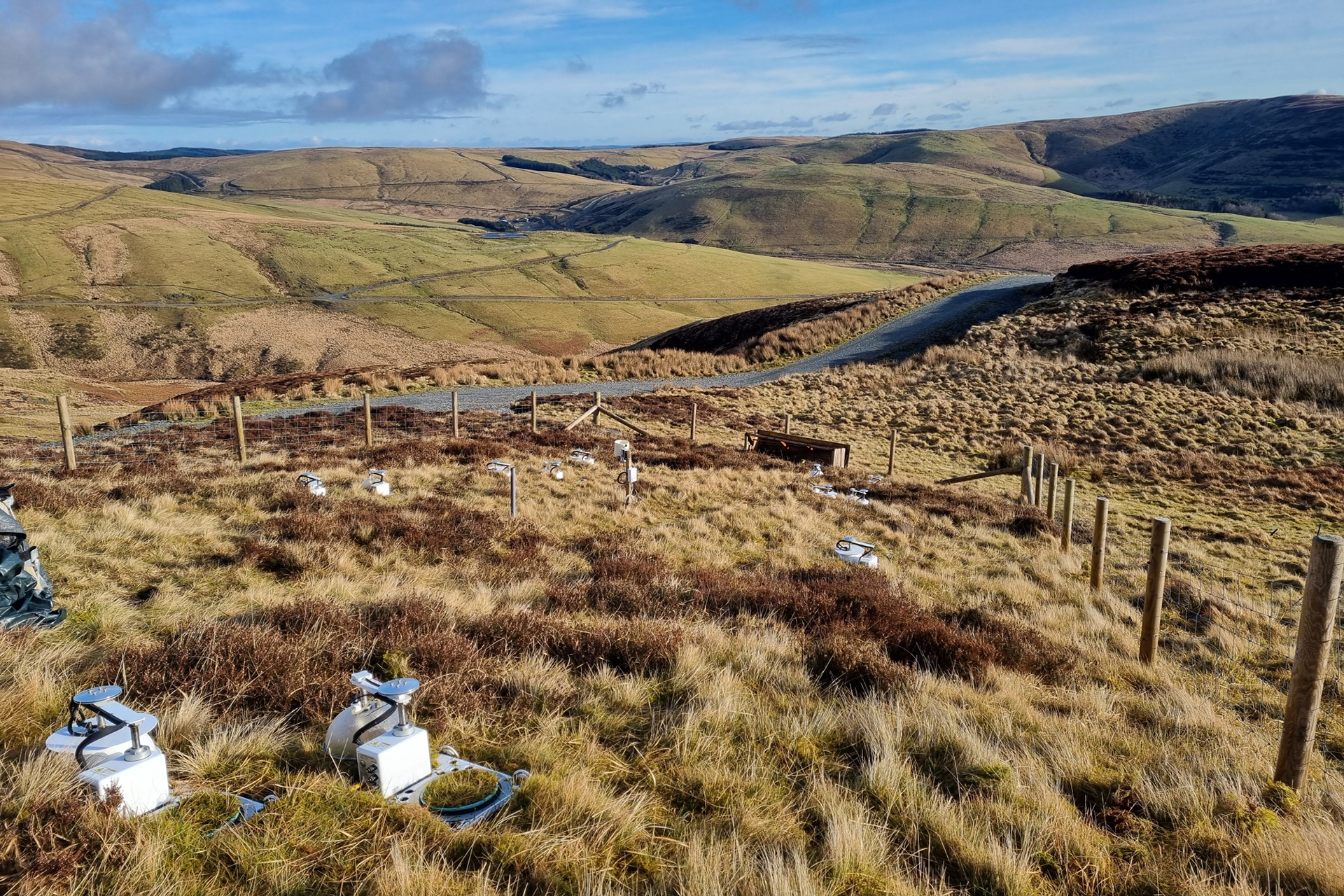
The peatland (GGR-Peat) project is working with natural processes to restore, and where possible enhance, the environmental conditions that lead to peat formation.
Enhanced rock weathering
The enhanced rock weathering project is exploring amending soils with crushed rocks from waste quarry fines to accelerate natural CO2 sequestration processes.
Woodland creation and management
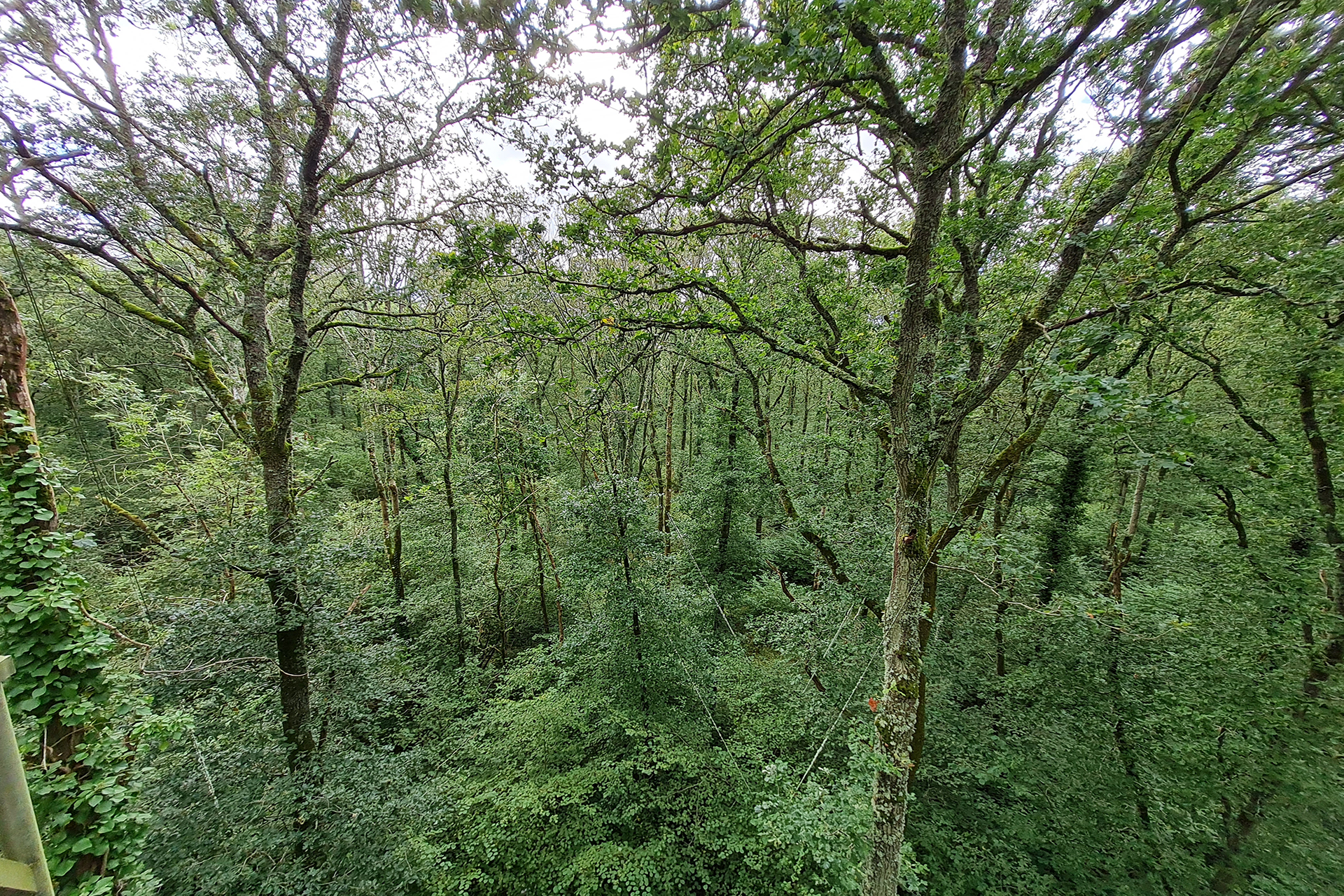
The woodland creation and management (NetZeroPlus) project is gathering evidence to explore the GGR consequences of different tree-planting options.
CO2RE Hub
The CO2RE Hub conducts cross-cutting research on the environmental, economic, social, cultural, ethical, legal and governance issues around GGR.
Photo credits: Biochar Demonstrator, Cookie Cut Media, Jade Hatton, Leslie Galstaun, John Cairns.