
About the NetZeroPlus Demonstrator project
NetZeroPlus (NZ+) is led by the Land, Environment, Economics and Policy Institute (LEEP) at the University of Exeter, working alongside others at Exeter, the University of Aberdeen, Forest Research, the National Trust and UCL. The demonstrator examines all aspects of forestry, including forests, woodlands and hedgerows, soils and in timber products.
The demonstrator addresses not only the technical challenge of carbon sequestration but the broader systemic question: how do we make better decisions about land use in a complex, interconnected environment? GGR interventions like tree-planting or peatland restoration bring significant carbon benefits, but also pose trade-offs, affecting food production, biodiversity, water quality, recreation and rural economies. NZ+ provides a pioneering framework to help stakeholders navigate these trade-offs transparently and effectively.
Project lead: Professor Ian Bateman, University of Exeter.
Key successes
The project has:
- Filled key gaps in the evidence base on carbon removal by woodland creation.
- Developed new monitoring, reporting and verification (MRV) methods that provide real-time evidence and carbon accounting.
- Modelled risks to storage permanence, including drought, fire, extreme weather, pests and disease.
- Improved understanding of the full range of consequences of land-use change.
- Provided open-access decision-support tools for policymakers, businesses and individuals.
Key findings
The project’s research results show that the UK has very significant GGR potential via afforestation, but also stress that deployment must be guided by nuanced, whole-system analysis. Key findings include quantification of the impact of spatial targeting upon greenhouse gas storage. Planting in the right places can increase GGR by double, triple or even more. However, planting in the wrong locations can significantly reduce storage or even lead to net emissions. The negative impacts of planting trees on peatlands (where they dry out the peat and emit greenhouse gases) are well known. However, the analysis of trade-offs delivered by NZ+ emphasised other potential pitfalls, such as the impacts that planting on some types of agricultural land can generate – for example, by offshoring food production to higher-emission overseas farming systems. NZ+ research also highlighted the temporal dimension of afforestation for GGR. Trees store relatively trivial amounts of carbon in the early years after planting and only subsequently reach the rapid rates of growth which make afforestation such a cost-effective approach to GGR. Therefore, tree-planting to hit the 2050 net zero commitment needs to be front-loaded with a rapid deployment of planting to optimally contribute. Read more in the GGR-D programme report.
Key publications
- Ian J. Bateman, Amy Binner, Ethan T. Addicott and Brett H. Day (2024). How to make land use policy decisions: Integrating science and economics to deliver connected climate, biodiversity, and food objectives. Proceedings of the National Academy of Sciences of the United States of America.
- Arthur P. K. Argles, et al. (2023). Modelling the impact of forest management and CO2-fertilisation on growth and demography in a Sitka spruce plantation. Nature Scientific Reports.
- Ian Bateman and Andrew Balmford (2023). Current conservation policies risk accelerating biodiversity loss. Nature.
- Ian J. Bateman, et al. (2022). A review of planting principles to identify the right place for the right tree for ‘net zero plus’ woodlands: Applying a place-based natural capital framework for sustainable, efficient and equitable (SEE) decisions. People and Nature.
For more, head to our Publications page, where you can filter by Demonstrator project.
Discover other GGR-D projects…

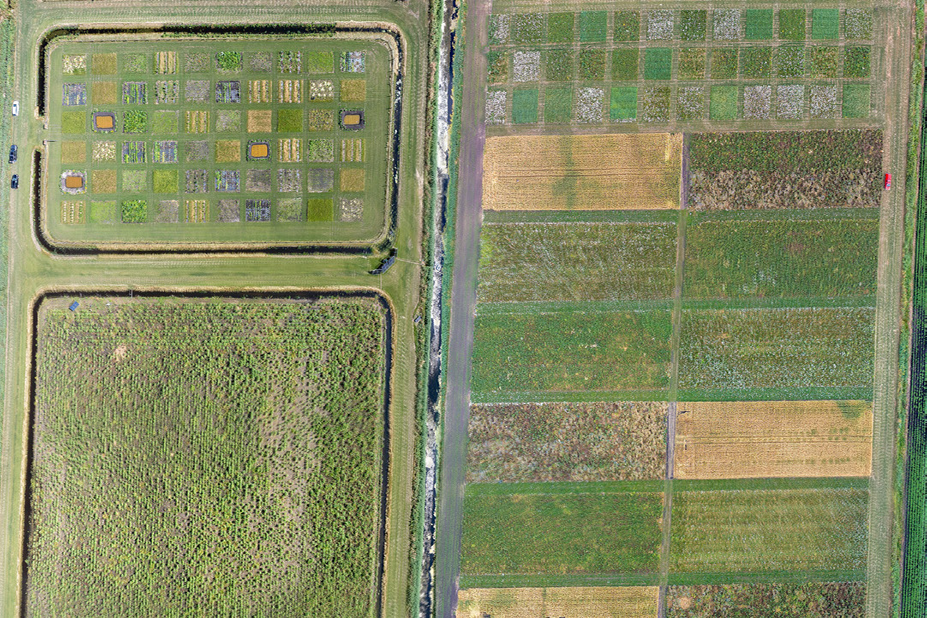
Biochar
The biochar project is addressing the uncertainties concerning the extent and scope of the deployment of biochar.
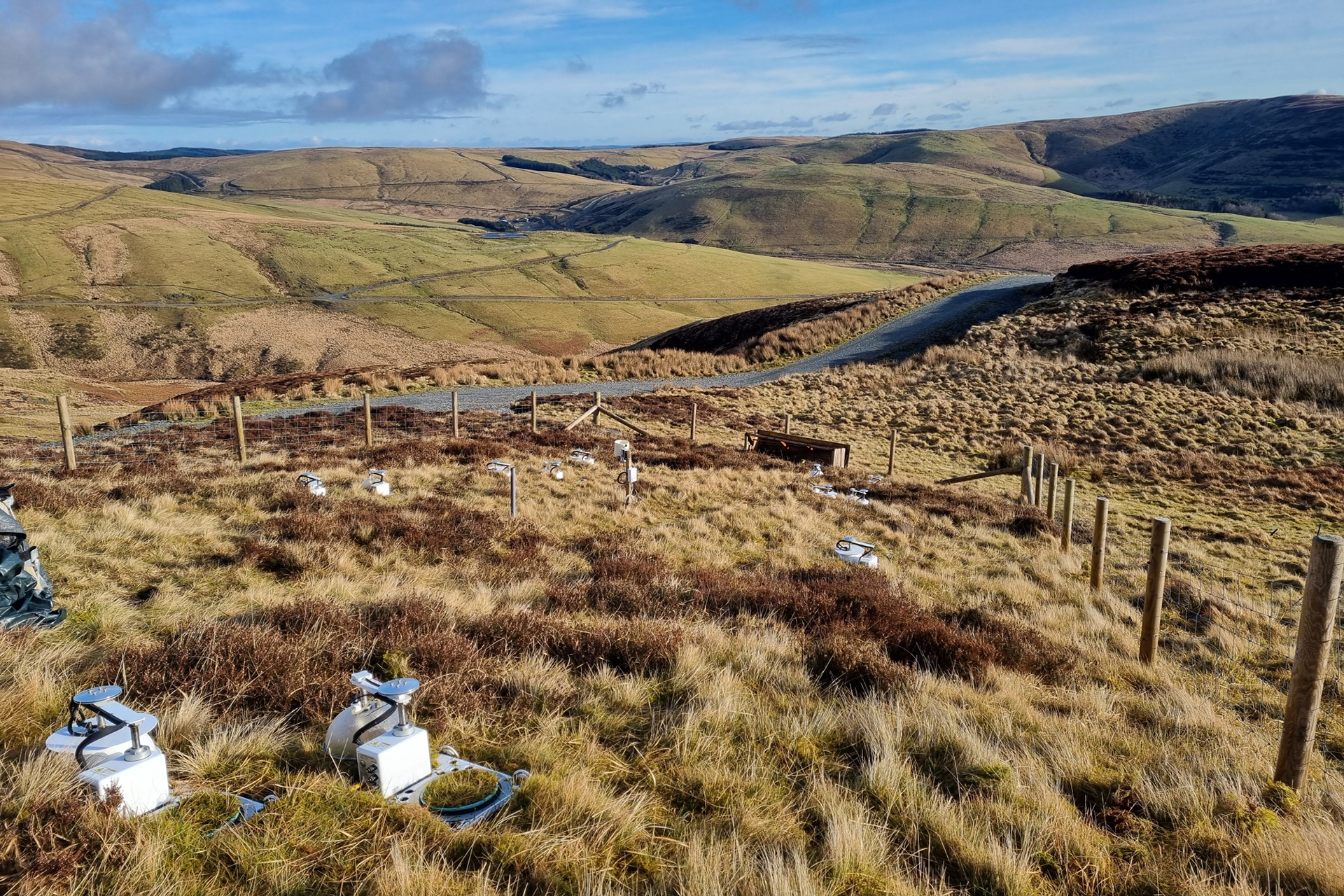
Peatlands
The peatland (GGR-Peat) project is working with natural processes to restore, and where possible enhance, the environmental conditions that lead to peat formation.
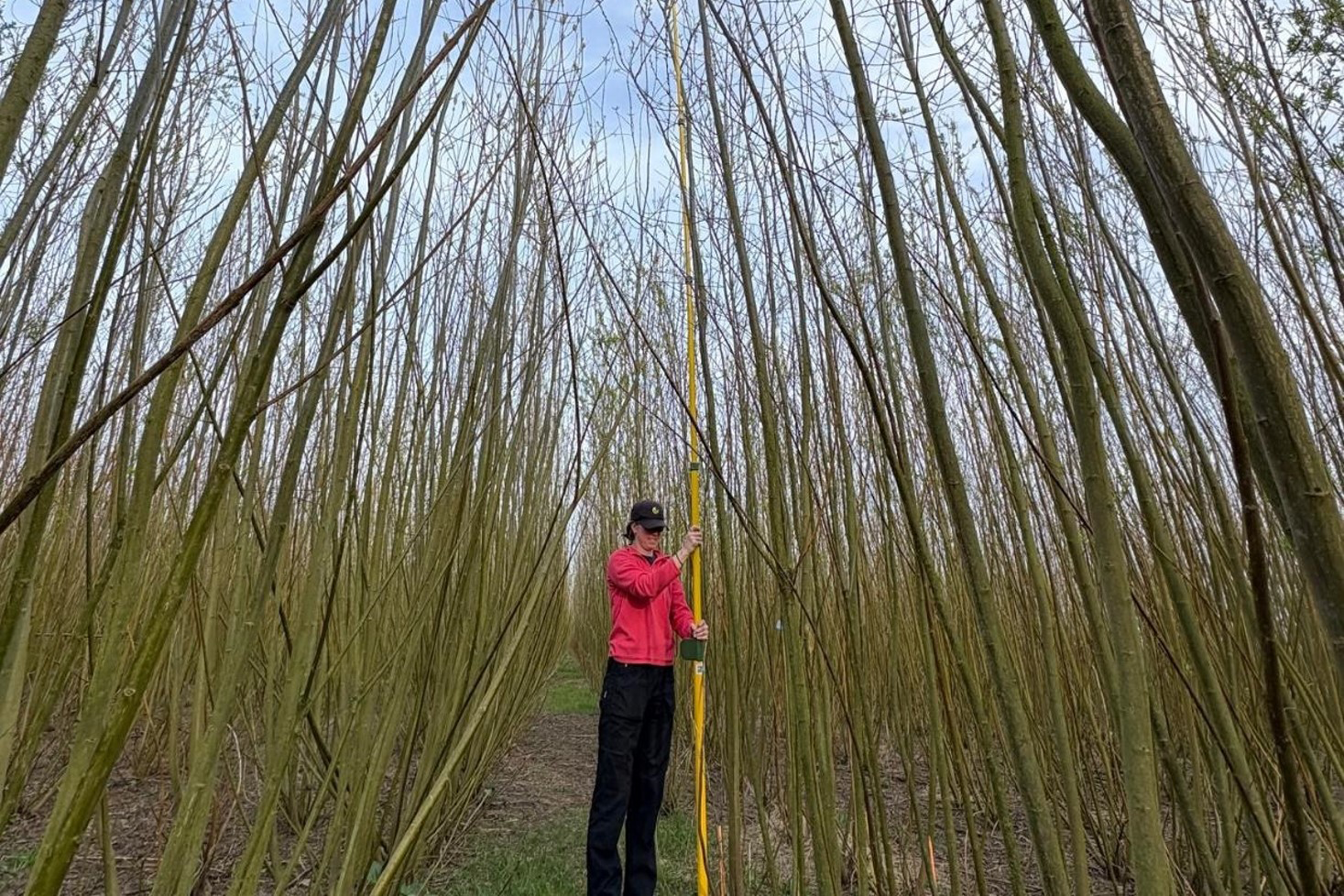
Perennial biomass crops
The perennial biomass crops (PBC4GGR) project is investigating the potential for plants like willow and miscanthus to support BECCS in the UK.
Enhanced rock weathering
The enhanced rock weathering project is exploring amending soils with crushed rocks from waste quarry fines to accelerate natural CO2 sequestration processes.
CO2RE Hub
The CO2RE Hub conducts cross-cutting research on the environmental, economic, social, cultural, ethical, legal and governance issues around GGR.
Photo credits: Biochar Demonstrator, Cookie Cut Media, Will Macalpine, Jade Hatton, John Cairns.