
About the Enhanced Rock Weathering Demonstrator project
The UK Enhanced Rock Weathering Demonstrator is led by the University of Sheffield with Co-Investigators at the Universities of Aberdeen, Leeds, Oxford, Heriot-Watt, Cardiff and Southampton, the National Oceanography Centre, Rothamsted Research and the UK Centre for Ecology and Hydrology. The project has established three major long-term enhanced rock weathering (ERW) field trial studies to investigate the effectiveness of ERW on different types of agricultural lands typical of the UK. It has also carried out lifecycle and scalability assessments and modelling, and explored community perceptions.
This Demonstrator project builds on the success and leading reputations of Leverhulme Centre for Climate Change Mitigation (LC3M) researchers and aims to assist the UK Government in getting to net zero by 2050.
Project lead: Professor David Beerling FRS, University of Sheffield.

Key successes
The project has:
- Demonstrated enhanced weathering delivers carbon removal in UK arable croplands and lowland and upland grasslands.
- Provided evidence on indications of improved soil health and no adverse effects from potentially toxic elements (PTEs) in soils or soil waters.
- Produced a spatial inventory of UK silicate rock resources suitable as a feedstock.
- Showed that local communities are open to ERW, but need evidence of efficacy and co-benefits.
- Assessed the scalability of ERW in the UK and its possible role in UK GGR targets.
Key findings
Effectiveness of ERW, co-benefits and impacts
Rigorous quantification of carbon removal is essential for unlocking market-based financing an avoiding accusations of “green-washing”. Rigorous methodologies for carbon removal quantification have been developed and applied in three contrasting enhanced rock weathering (ERW) field trials encompassing different soil types, crops and climate regimes across the UK.
Incorporating feedstocks into soil enables the highest rates of carbon removal, while carbon removal is also influenced y crop type and management strategy. New data and better understanding of carbon removal processes can inform commercial best practices, as well as improving models that can be used to predict carbon removal via ERW at any location, at any time point, and for any feedstock.
Potential co-benefits and dis-benefits of ERW include impacts on crop yields, soil properties (including any changes in soil organic carbon stocks) and water quality. Evidence on co- benefits indicates, on some soils increased soil pH, counteracting undesirable acidity in intensively farmed soils, lower levels of unwanted heavy metals in soil waters as they are taken up in secondary minerals that are environmentally stable, and indications of increased earthworm populations. However, these co-benefits appear to be variable across soil types; thus further investigation is required to robustly quantify such co-benefits. In terms of evidence regarding dis-benefits, no significant impacts on crop yield, or increases in metals of potential concern, nor impacts on downstream ecology have been observed to date in UK field trials.
Lifecycle analysis and sustainability
Lifecycle analysis suggests that there is a decrease in the impacts on ecosystems, human health, and resources by 2050, largely attributed to the anticipated decarbonisation of the energy used throughout the lifecycle. Additionally, a comparison of impacts with other GGR strategies indicates that ERW has relatively low impacts on environmental and human health indicators. The use of rock dust has been shown to increase plant biomass and yield in trials in the US. However, UK trials indicate that the degree of this impact varies based on several factors, including the local climate, soil conditions, the composition of the rock dust, and the quantity applied.
Scalability analysis
A comprehensive spatial inventory of UK silicate rock resources suitable as feedstock for ERW has been produced, alongside a detailed upstream supply-chain assessment. Quarry-by-quarry data on current production and reserves of basic silicate rocks have been combined with UK cropland maps to simulate a range of up-scaling pathways for rock extraction and logistics to meet ERW demand in support of the UK’s carbon dioxide removal targets. In every scenario, timing and location of quarry expansions and transport routes were optimised to maximise GGR under realistic supply chain constraints. Public and stakeholder perceptions Research on public and local community perceptions builds knowledge on acceptability and on how local historical and cultural context affects people’s understanding of benefits and risks. It also informs the debate on ‘social licence to operate’ and therefore potential deployment barriers and opportunities. Public acceptance is a critical issue for all emerging GGR approaches, but with very few exceptions very little is known about how place-based communities will view proposals for GGR deployment by local farms. And yet it is precisely these communities who will be asked to host ERW were it to be deployed in UK agriculture at scale.
Deliberative community workshops held across England and Wales showed that concerns arose around the efficacy of the technique and local environmental impacts. Critical differences across places were also found, not least the desire to think about innovative ways in which deployment at scale of ERW could support local agriculture and communities. New insights on socially optimal conditions for expanded quarrying and logistical activities have also been identified. Read more in the GGR-D programme report.
Discover other GGR-D projects…


Biochar
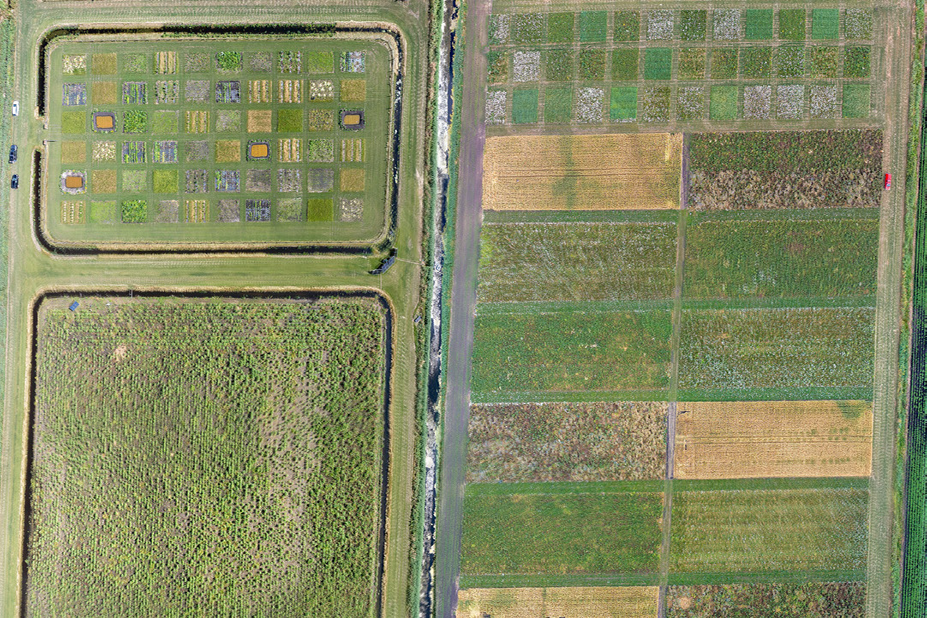
The biochar project is addressing the uncertainties concerning the extent and scope of the deployment of biochar.
Peatlands
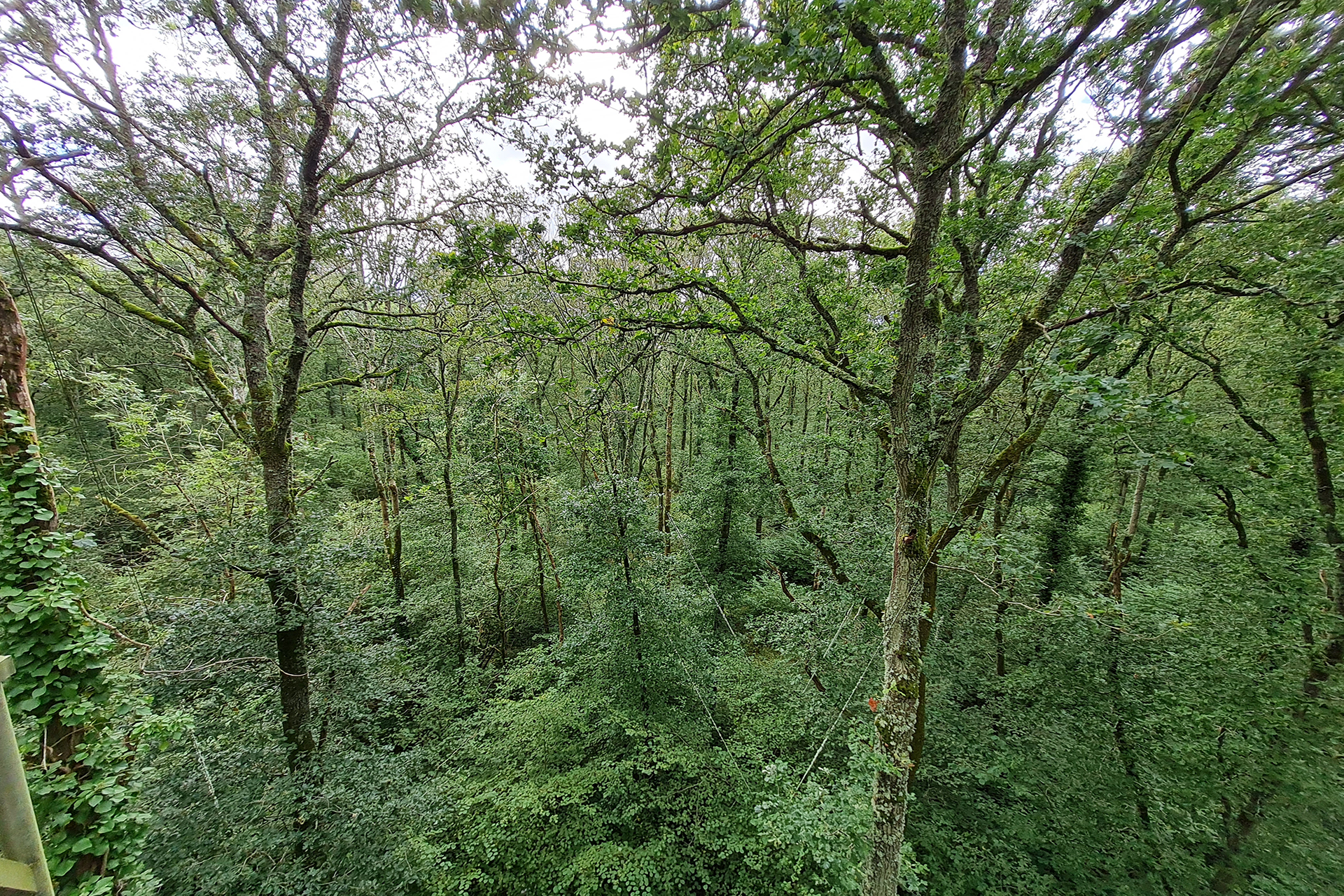
The peatland (GGR-Peat) project will work with natural processes to restore, and where possible enhance, the environmental conditions that lead to peat formation.
Perennial biomass crops
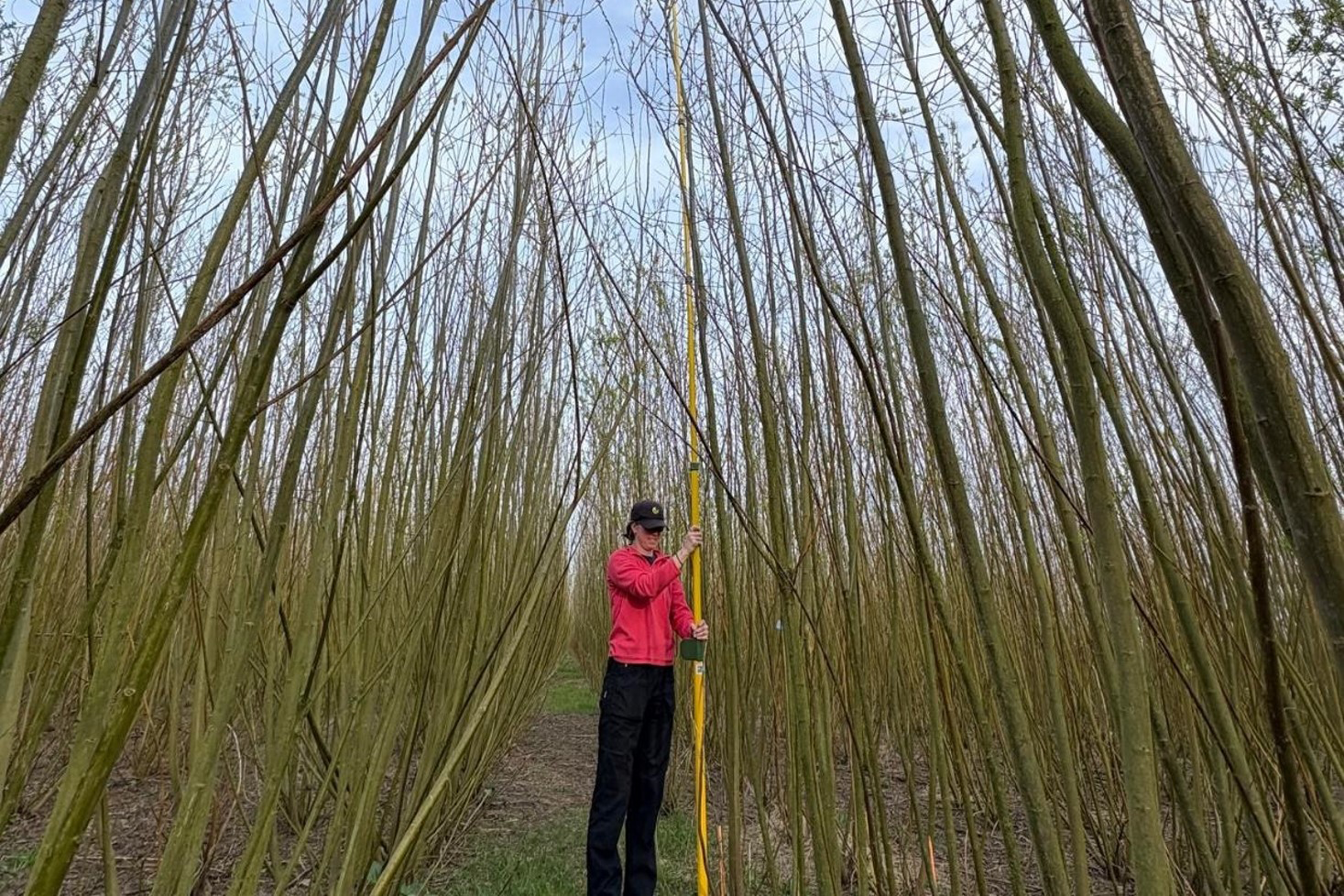
The perennial biomass crops (PBC4GGR) project is investigating the potential for plants like willow and miscanthus to support BECCS in the UK.
CO2RE Hub
The CO2RE Hub conducts cross-cutting research on the environmental, economic, social, cultural, ethical, legal and governance issues around GGR.
Photo credits: Biochar Demonstrator, Cookie Cut Media, Will Macalpine, Leslie Galstaun, John Cairns.