
Home >
The GGR-D Programme
Achieving a net-zero emission economy in the coming decades, and potentially net-negative emissions thereafter, is arguably the world’s biggest challenge. The UK has made a strong start, as the first G7 country with a legislative commitment to achieve net zero emissions by 2050.
Reaching net zero requires dramatic reductions in greenhouse gas emissions, particularly carbon dioxide, but it also requires creating and scaling up global Greenhouse Gas Removal (GGR). The UK government’s Net Zero Strategy states that GGR is essential to compensate for the residual emissions arising from the most difficult activities to reduce or eliminate from within polluting sectors.
There are a wide range of options to remove greenhouse gases from the atmosphere. Some are familiar, such as planting trees. Others are more novel, such as enhanced rock weathering. Many of them require further investigation to understand their potential for removing greenhouse gases at a meaningful scale.
This need for better evidence and understanding provided the rationale for UKRI to fund the Greenhouse Gas Removal Demonstrator (GGR-D) programme. By demonstrating a set of GGR options and supporting a new research hub, the programme has supported essential research capacity and led to significant advances in our understanding of GGR. Explore findings from across the programme in our GGR-D report.
For more information about Greenhouse Gas Removal, head to our dedicated FAQs page.

Photos (clockwise from top left):
Stakeholder visit to Enhanced Rock Weathering field site at Rothamsted Research, North Wyke. Credit: Philippa Westbury.
Biochar being spread manually on a grassland farm at Henfaes Research Centre, Abergwyngregyn. Credit: Biochar Demonstrator.
The 3rd International Conference on Negative CO2 Emissions. Credit: Andrew Bailey.
Miscanthus pictured at full height in the PBC4GGR demonstrator field at Bishop Burton College. Credit: Chris Ashman.
A carbon flux tower on the NetZeroPlus field site at Knepp Estate. Credit: James Morris.
Greenhouse gas flux measurement over biochar-amended plots on a lowland raised bog in Lancashire. Credit: Jenny Rhymes.
The projects
The GGR-D programme comprises a Hub (CO2RE) and demonstrator projects for five GGR methods: The Biochar Demonstrator, The UK Enhanced Rock Weathering GGR Demonstrator, PBC4GGR (perennial biomass crops for bioenergy with carbon capture and storage), NetZeroPlus (woodland creation and management) and The GGR-Peat Demonstrator.
CO2RE is responsible for coordinating the GGR-D Programme as well as undertaking solutions-led research on GGR. The five Demonstrator projects are looking at new, improved ways to capture and store carbon on land. A key role of CO2RE is to provide insights into the cross-cutting challenges that will be faced by the Demonstrators and co-developing evidence of scale and wider acceptability of GGR approaches.

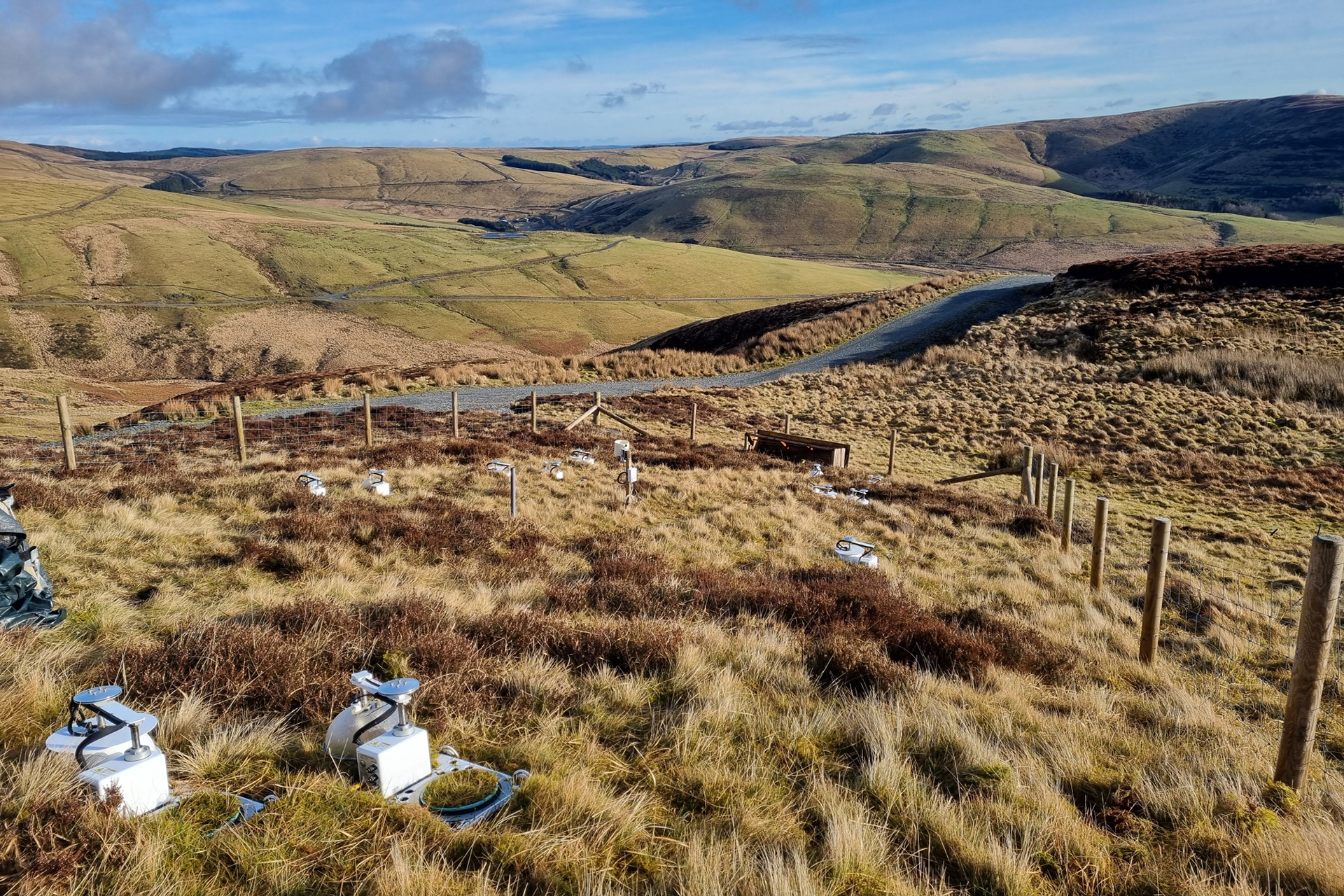
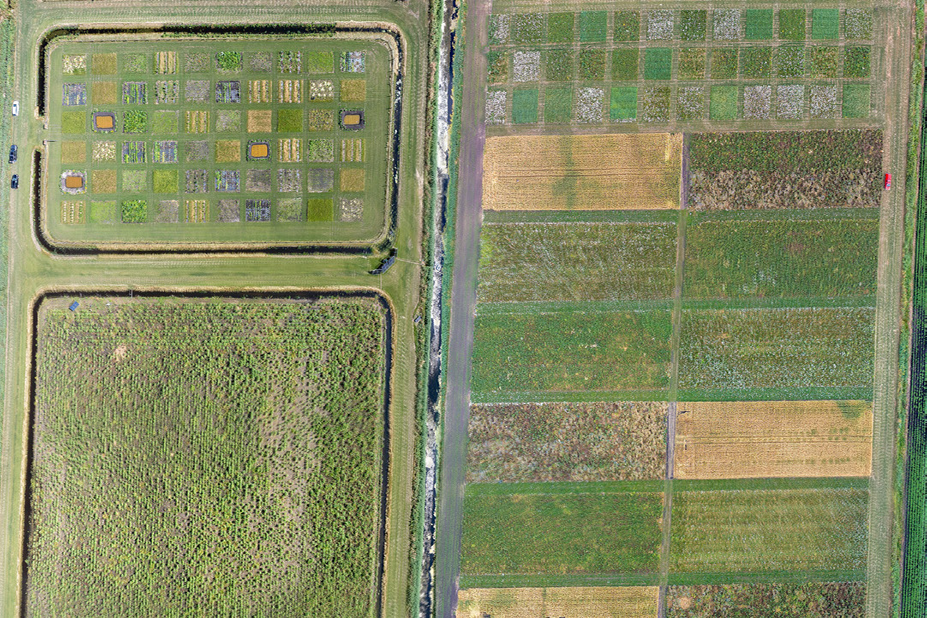
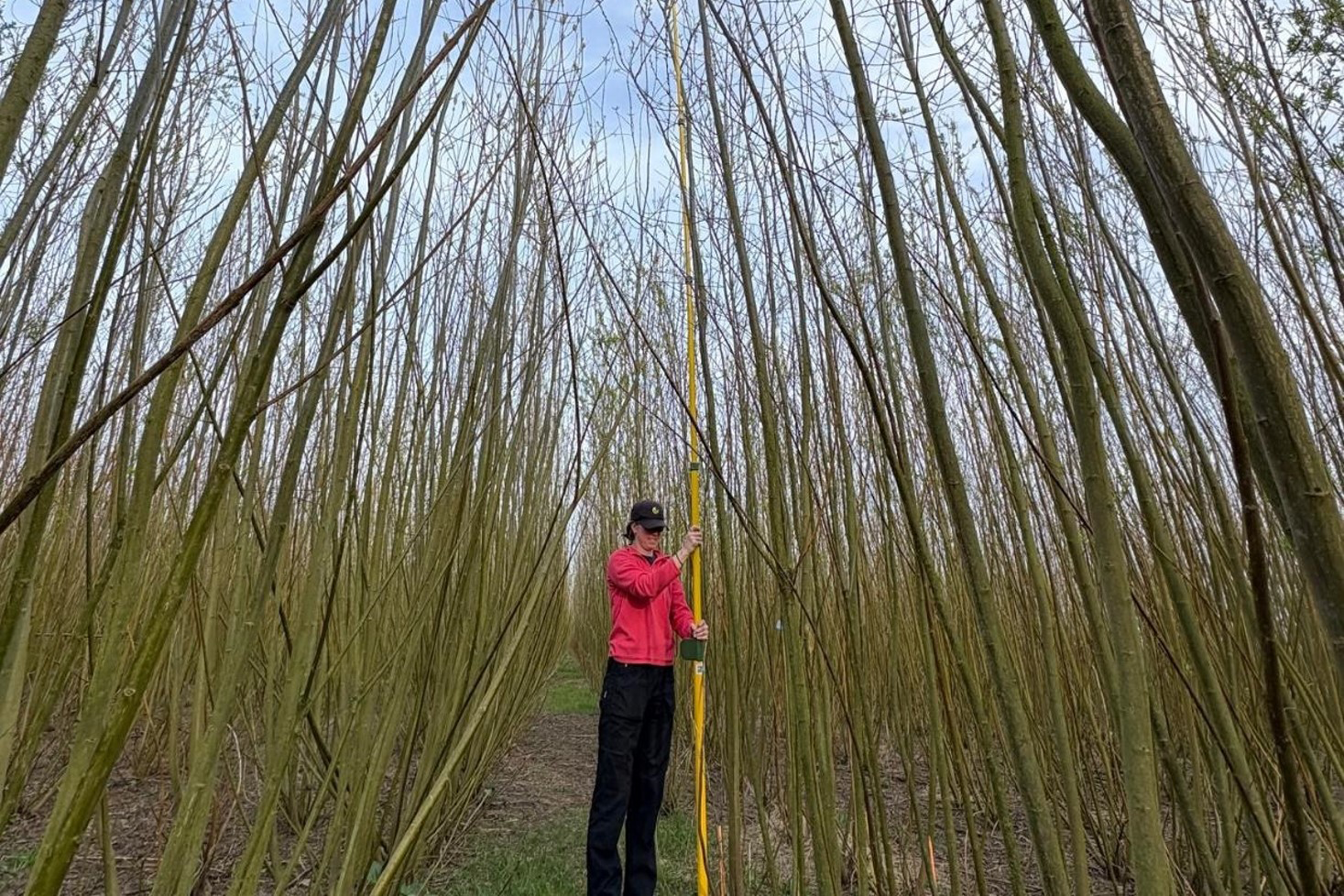
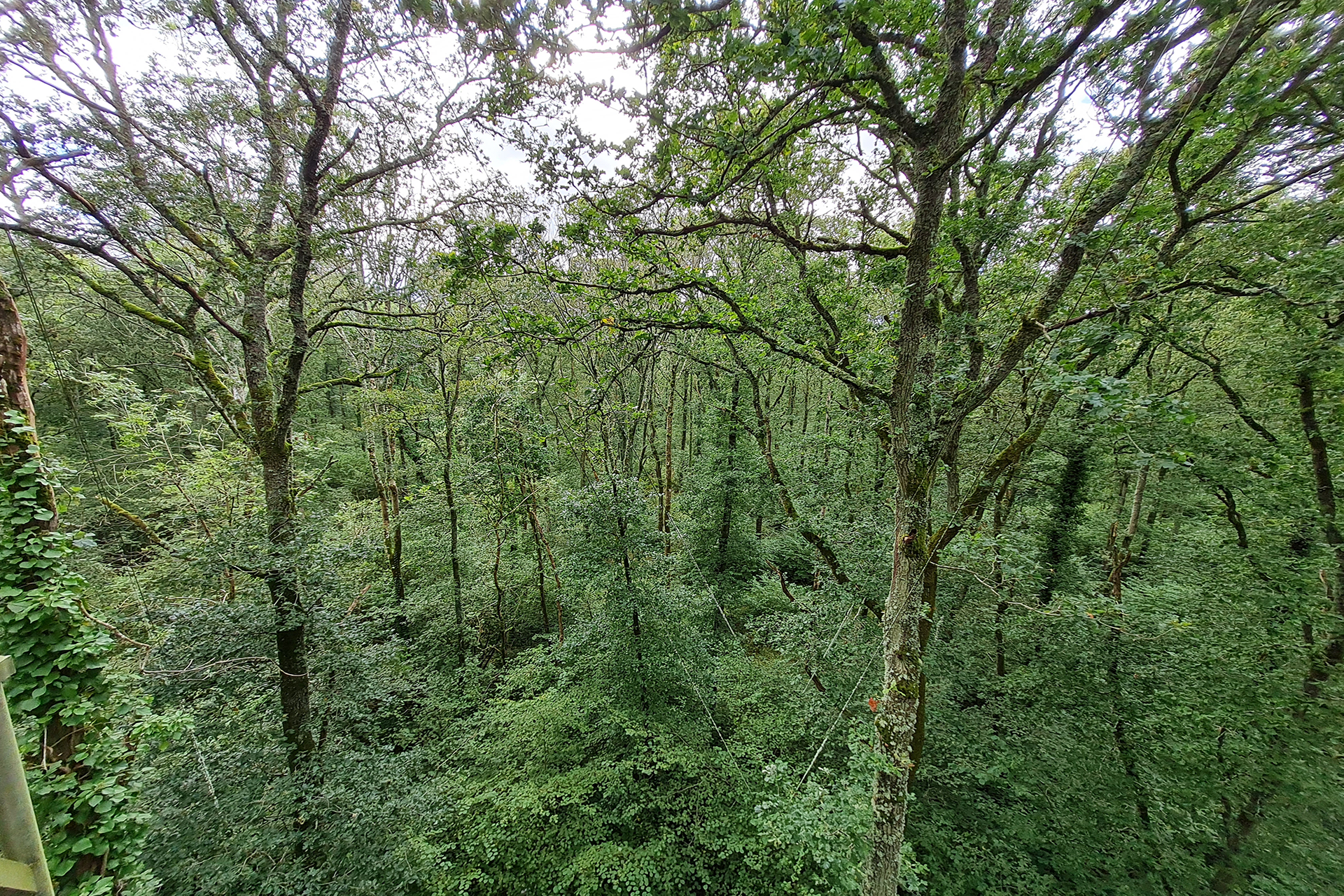

Photo credits: (clockwise from top left): Biochar Demonstrator, Jade Hatton, Cookie Cut Media, Will Macalpine, Leslie Galstaun, John Cairns.
Find out more about the GGR-D Programme
News
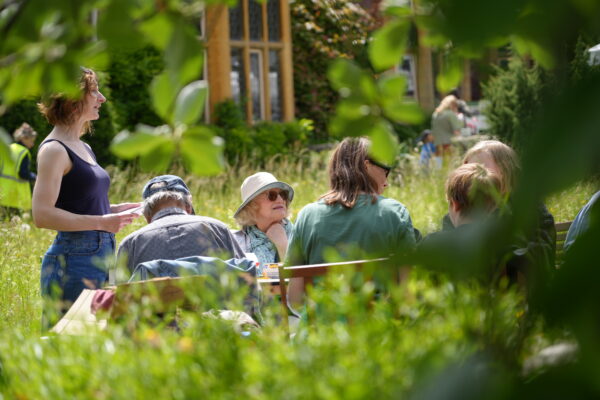
Reclaiming Hope in the Botanic Garden
By Helen Bunting, CO2RE Communications Manager“When the seeds of this event were planted at the start of the CO2RE ... Read more

CO2RE Executive Director Steve Smith appointed MBE for Services to Climate Science
Dr Steve Smith has been appointed MBE for Services to Climate Science. Read more

Launching summer mini-festival of CO2RE Arts and Sciences
Reclaiming Hope, Removing Carbon, a free, immersive exhibition celebrating our 7 CO2RE Artists' work and the GGR science that inspired them, will be taking place at the University of Bristol Botanic Garden, from the 11th to the 14th of June, as part of the Festival of Nature. Read more